The Ultimate Rome Travel Guide
Welcome to the eternal city, Rome! A hub of history, culture, and stunning architecture, Rome beckons travelers with its timeless charm. Whether you're marvelling at the majestic Colosseum, wandering through the ruins of the Roman Forum, or enjoying a gelato by the Trevi Fountain, Rome promises an unforgettable journey. This guide is designed to help you discover both the iconic landmarks and the lesser-known treasures of the city. Prepare to lose yourself in the heart of Italy with tips on must-see attractions and practical travel insights. Let’s set off on a Roman adventure that you'll talk about for years to come!
Must-See Attractions in Rome
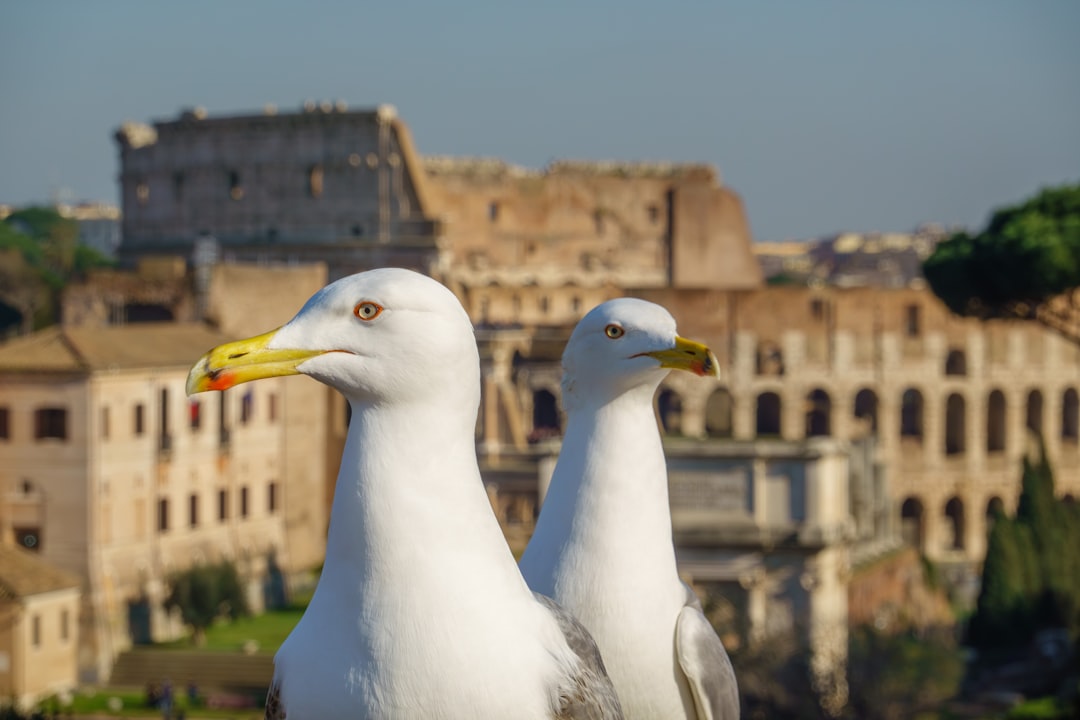 Image courtesy: Unsplash
Colosseum
The Colosseum, originally known as the Flavian Amphitheatre, is one of the most iconic symbols of ancient Roman grandeur. This elliptical amphitheater, the largest ever built, was designed to accommodate over 50,000 spectators eager to watch gladiatorial contests and public spectacles. Visitors today are treated to the immense scale of this ancient structure, and can walk through the same entrances that spectators did centuries ago. To fully appreciate its architecture and history, consider hiring a guide or joining a tour that delves into the fascinating stories of its past, including how it was engineered and the true nature of the events held here.
Vatican City
Nestled within the heart of Rome, Vatican City serves as the spiritual and administrative center of the Roman Catholic Church. It is home to a vast treasure trove of art, architecture, and religious history. Highlights include St. Peter's Basilica, arguably one of the largest churches in the world, where visitors can marvel at its breathtaking interiors and Michelangelo's famed Pietà. The Vatican Museums boast an immense collection of artworks from Renaissance masterpieces, like the Raphael Rooms, to the awe-inspiring Sistine Chapel, famous worldwide for Michelangelo’s ceiling and The Last Judgment mural. Plan your visit early in the morning to enjoy the places somewhat less crowded, and remember that proper dress is required to enter the sacred sites.
Insider Travel Tips for Rome
Best time to visit
The ideal time to visit Rome is during the shoulder seasons, from April to June and September to October. The weather during these months is generally mild, making it pleasant to explore the city without the harsh heat of the Roman summer. Additionally, visiting in these periods means you’ll face fewer tourists compared to the peak season in July and August, leading to shorter lines and a more relaxed exploration of the city's treasures. If possible, avoid national holidays and religious events unless they are central to your visit, as they can significantly increase the number of visitors.
How to avoid crowds
Rome attracts millions of tourists each year, making some of its most famous sites quite crowded. There are several strategies to mitigate this:
- Plan to visit major attractions such as the Colosseum and Vatican City early in the morning or late in the afternoon. These times typically experience lower visitor numbers.
- Purchase skip-the-line tickets wherever possible; this can save hours of waiting.
- Consider the Rome Pass which offers not only fast-track entry to numerous sites but also public transportation access.
- Explore less known but equally fascinating attractions like the Baths of Caracalla or the Ostia Antica, a remarkable archaeological site that is much less visited but offers a vivid glimpse into ancient Rome’s everyday life.
Recommended local restaurants
Sampling local cuisine is a must-do in Rome. Here are some recommendations where you can savor Roman delicacies:
- Trattoria Da Enzo: Located in the Trastevere area, this small eatery offers a genuine taste of Roman cuisine in a cozy setting. Try their signature dish, the carbonara, made with crispy guanciale and creamy pecorino cheese.
- Armando al Pantheon: Situated close to the Pantheon, this restaurant serves traditional dishes in a rustic yet elegant atmosphere. Make sure to try their coda alla vaccinara (oxtail stew) and the classic amatriciana.
- Pizzeria Ai Marmi: Often referred to as 'the morgue' due to its long, marble-topped tables, this establishment offers some of the best Roman-style, thin-crust pizzas. It is an excellent spot for a casual dinner after a day of touring.
- Roscioli: For a more sophisticated dining experience, Roscioli combines a bakery, deli, and restaurant where you can enjoy high-quality Italian cheeses, cold cuts, and inventive pasta dishes.
Understanding the local dining etiquette can enhance your experience. Note that Romans usually eat late, with dinner starting around 8 p.m., and it's customary to order at least a primo (first course) or a secondo (second course) when dining out.
Hidden Gems in Rome
Aventine Keyhole
One of Rome's most enchanting secrets is the Aventine Keyhole. Located on the Aventine Hill, just a short walk up from the Circus Maximus, this unassuming doorway offers a perfectly framed view of St. Peter's Basilica through a verdant garden. The keyhole is part of the Priory of the Knights of Malta, one of Rome's sovereign entities, adding an extra layer of intrigue to this unique sight. Though the spot might not appear on every tourist's map, locating it offers a moment of magic and a unique photographic opportunity that captures a different perspective of the city’s spiritual center.
Villa Borghese Gardens
Escape the bustle of the city and wander through the lush tranquility of the Villa Borghese Gardens. This extensive park, often considered Rome's answer to Central Park, offers more than just greenery and picnicking spots. Inside, you'll find a number of museums, the most famous being the Borghese Gallery, with its rich collection of art, including masterpieces by Bernini, Caravaggio, and Titian. The gardens themselves are dotted with statues, fountains, and beautifully manicured lawns. Renting a bike to explore its hidden corners is highly recommended, or simply enjoy a serene boat ride on the small lake. It’s the perfect place for a leisurely afternoon away from the crowds.
Rome Trip Itinerary
 Image courtesy: Unsplash
Day 1: Historical Rome
Dive into the history of Rome by starting your trip at the heart of the ancient city. Begin at the Colosseum, one of the world's most famous historical landmarks, where gladiators once battled. Booking a skip-the-line ticket is wise to make the most of your time. From there, walk through the Roman Forum, the nexus of Roman public life, and up to the Palatine Hill for panoramic views of the city. In the afternoon, head towards the Pantheon, a remarkable ancient temple turned church, with its stunning oculus, open to the sky. Wrap up your day by exploring the lively squares of Piazza Navona and Campo de' Fiori, ideal for dining and people-watching as dusk falls.
Day 2: Vatican City
Devote your second day to Vatican City. Start early to visit the Vatican Museums, including the Sistine Chapel to gaze upon Michelangelo's iconic ceiling frescoes. The extensive collections can be overwhelming, so consider a guided tour to highlight the not-to-miss pieces and offer insights into their historical and artistic significance. Following the museums, step into the awe-inspiring St. Peter's Basilica and, if you're up for a climb, venture to the top of the dome for a spectacular view of Vatican City and beyond. Spend the late afternoon wandering St. Peter's Square, capturing photos of the stunning Vatican architecture, and perhaps send a postcard from the Vatican post office, offering a unique souvenir to those at home.
Day 3: Explore Trastevere
Your final day in Rome is the perfect opportunity to slow down and soak in the local culture in Trastevere, one of Rome’s most charming neighborhoods. Start with a leisurely brunch at one of the local cafés before wandering through the cobblestone streets, lined with ivy-covered buildings. Visit the Basilica of Santa Maria in Trastevere, one of the oldest churches in Rome, featuring beautiful mosaics. As the afternoon fades, explore the boutiques and artisan shops scattered throughout the district. End your evening in Trastevere, where you can dine at a traditional Roman trattoria, sampling classic dishes like carbonara and amatriciana with a glass of regional wine, truly immersing yourself in the flavors and hospitality of Rome.
Conclusion
Rome, a city where the past and present intertwine seamlessly, offers an endless adventure to its visitors. From the iconic Colosseum to the tranquil Vatican Gardens, each site has a story to tell. Whether you're savoring an authentic gelato as you stroll through cobblestone streets or admiring the masterpieces in the Vatican Museums, Rome promises a magical experience.
For the best journey, remember to plan ahead, stay flexible, and immerse yourself in the local culture. Every corner of this ancient city offers a new surprise and treasure waiting to be discovered. Arrivederci, Rome! May your travel be as unforgettable as the Eternal City itself.
.jpg)
Comments
Post a Comment